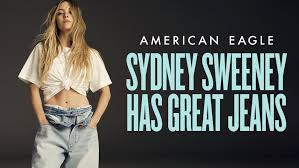
I’m sure you’ve seen the Sydney Sweeney x American Eagle ad… you know the one where she says she has great “genes.” Is this a clever play on word that reflects the brand’s youthful and trendy image, or does it hint at themes of racial supremacy?
As an advertising student, it’s interesting to see how this ad unfolds and the discourse around it, particularly in terms of its double entendre which can provoke discussions about eugenics and white supremacy due to Sydney Sweeney’s representation as a white, blond, blue-eyes woman.
Is this advertisement truly as deep as many on TikTok suggest? I would say, yes, it is that deep. Every aspect of marketing and advertising is meticulously designed with intention, reflecting a nuanced understanding of consumer psychology and social trends. So, I find it hard to believe that this ad made its way through every executive at American Eagle without someone questioning the underlying themes or the cultural implications this ad may have. Here are some of the issues I found:
The Problem with Wordplay: “Genes” Aren’t Just a Joke
This isn’t just a clever pun — words like “genes” carry serious meaning, especially when they’re linked to traits like blue eyes, blonde hair, and perfect features. These traits have often been used to push a narrow idea of beauty tied to whiteness and exclusion.
So when a brand uses “genes” and then flips it to “jeans” in a playful way, it’s not harmless. It hides a deeper message behind a joke, making it easier to ignore the history while still using its power.
Choosing Sydney Sweeney and Why It Wasn’t Just Random
Sydney Sweeney wasn’t picked by accident for this ad, she was chosen on purpose. She represents a very specific image: white, blonde (even though she is not naturally blond), blue-eyed, slim, and conventionally beautiful. These traits have often been used to promote a narrow idea of what “good genes” look like — an idea that’s been tied to racism and exclusion in history.
By using her in a campaign that plays on the word “genes,” the brand isn’t just selling jeans. It’s selling a message about who fits the ideal image. And since Sweeney has already been in the spotlight for attending political events linked to MAGA, her presence adds even more meaning.
The brand could’ve chosen a more diverse cast or skipped the “genes” pun altogether. But they didn’t — because this image was the point.
The Campaign Language Mirrors Eugenic Rhetoric Almost Exactly
Let’s look at the exact line from the ad:
“Genes are passed down from parents to offspring, often determining traits like hair color, personality, and even eye color.”
At first, it might sound like a basic science fact — but it’s actually a lot deeper than that. This kind of language comes straight from old ideas used in eugenics, which is the belief that some people are born better than others because of their genes.
But here’s the problem: why mention personality in an ad about jeans? That’s not about fashion — it’s about suggesting that things like kindness, calmness, or discipline are inherited. And that can lead to dangerous thinking, like believing some people are naturally “better” than others.
In history, these ideas have been used to exclude and devalue people who don’t fit a certain image. So even if it seems subtle, this kind of messaging can carry a lot of harmful meaning.
The Hidden Message Behind the Ad
The real strength of this ad isn’t just in its words — it’s in what it suggests without saying directly. If someone criticizes it, supporters can simply respond, “Relax, it’s just a joke about jeans.” But for those who get the deeper message, it’s obvious. That’s how dog whistles work — they send a signal that only specific people will notice.
In marketing, this is a common trick: use words that seem harmless to most people, but still send a clear message to a specific group. The phrase “great genes” does exactly that. It quietly connects to ideas about race and beauty that have been used to exclude people for a long time, without ever saying it directly.
The Timing of the Ad
This ad didn’t just show up randomly — it came out during a time when politics and culture are really tense. Around the world, there’s been a rise in nationalism and far-right ideas, with people talking more about “traditional values” and who’s “fit” to lead or have families. These ideas aren’t new… they’re connected to eugenics, which is the belief that some people are born better than others because of their genes.
So launching a campaign that talks about “great genes” right now isn’t just bad timing, it’s perfect timing for a message that fits into those beliefs. By wrapping it in fashion and making it look trendy and harmless, it becomes easier to share and harder to question.
In conclusion …
At a surface level, this campaign is about jeans. But look closer, and you’ll find a blueprint for soft propaganda, a campaign that uses beauty, nostalgia, and wordplay to launder an exclusionary message into mainstream pop culture. This wasn’t a one-time slip-up. It was a calculated decision to use a racially loaded pun, a white beauty ideal, and propaganda aesthetics — not to challenge those ideas, but to ride their viral potential. And when brands start to quietly echo the language of eugenics, we should stop asking if it’s intentional and start asking who benefits.

 Windy Tan's Digital Footprint
Leave a comment